Every Visitor Deserves a
Personal Guide
Smart Docent adapts to every visitor — their language, their interests, their pace. Families, scholars, tourists, and enthusiasts all get an experience crafted just for them.
Automatic translation, no configuration needed
Families, scholars, tourists — tailored content
Audio, screen-reader, adjustable text & contrast
Visitors ask questions, get intelligent answers
AI in Action
Like Having a Personal Curator
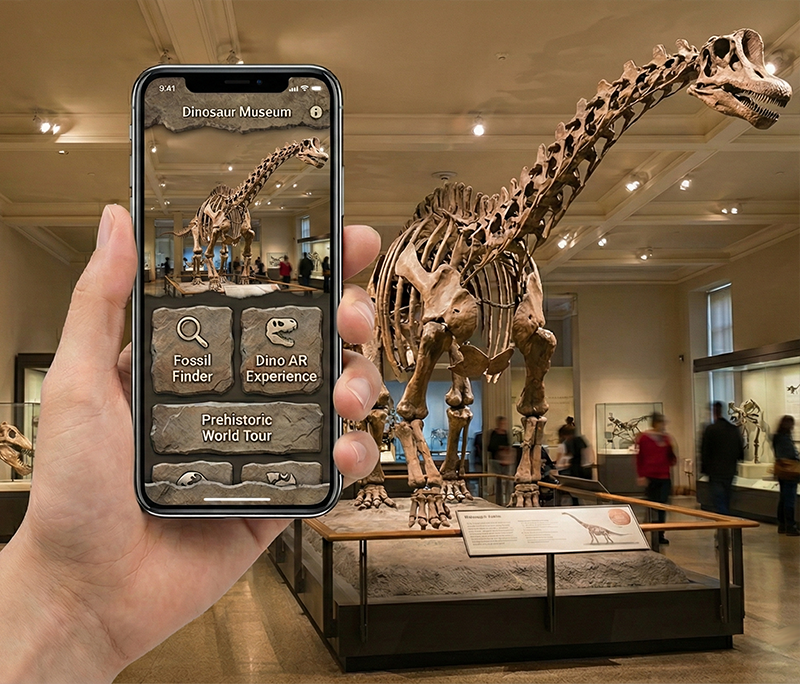
Smart Docent's AI doesn't just read labels aloud. It understands context, answers follow-up questions, adjusts complexity for different audiences, and creates genuinely engaging conversations about art.
- Answers in natural, conversational language
- Adapts depth for children, students, or experts
- Connects artworks across your collection
- Available in 40+ languages simultaneously
- Trained on your curated, verified content
Smart Docent AI
Water Lilies — Claude Monet
Multilingual & Accessible by Default
Every Language. Every Visitor.
Automatic language detection, instant translation into 40+ languages, and built-in accessibility features ensure no visitor is left behind.
Audio Narration
Text-to-speech in every language
Screen-Reader Ready
Full assistive technology support
Adjustable Text
Font size & contrast controls
Simple Language
Adapts for non-native speakers
Smart Personalisation
Every Visit Is Unique
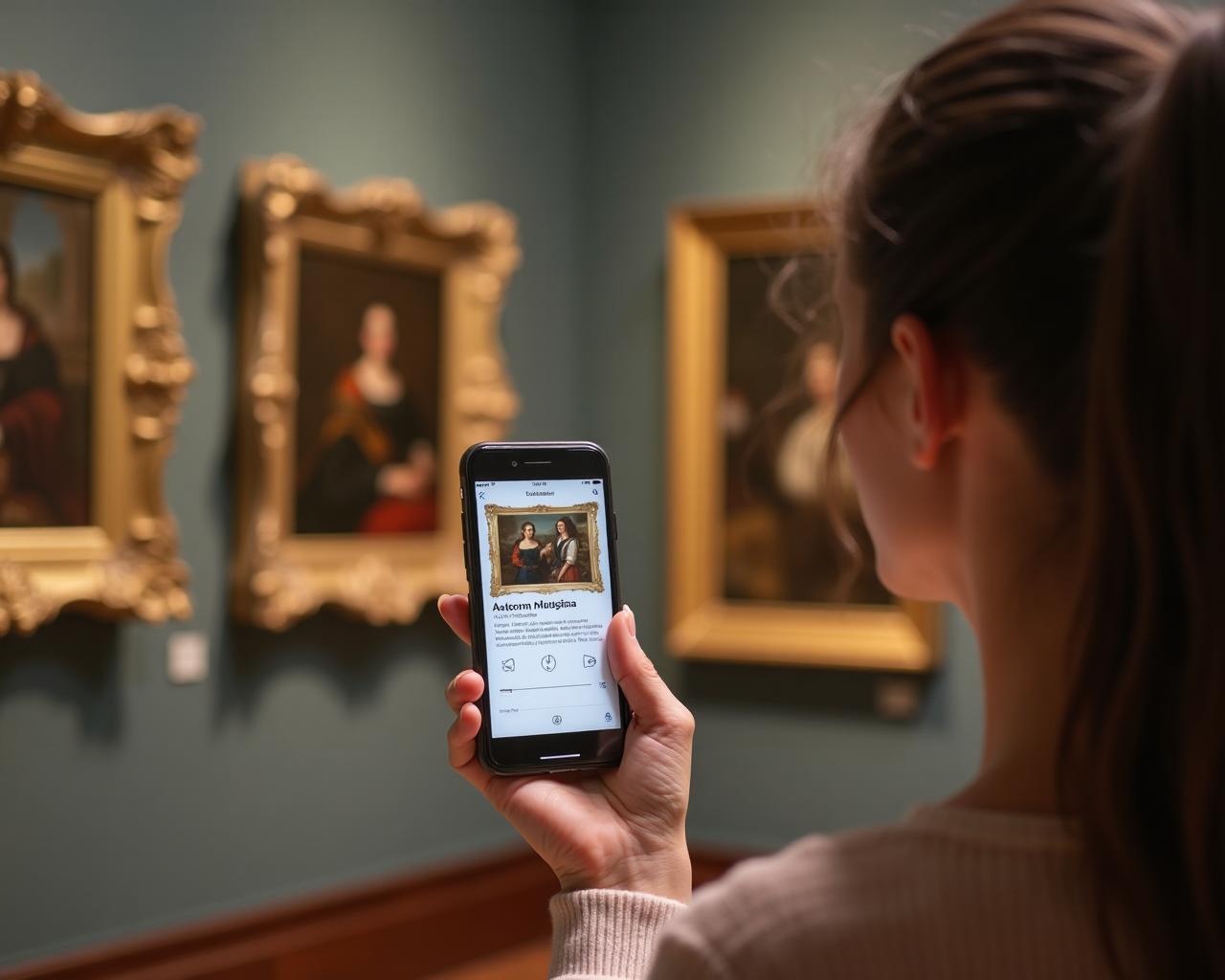
Smart Docent learns and adapts throughout a visit. Preferences, language, and reading level persist as visitors move between exhibits — creating a seamless, personal journey.
Tailored for Everyone
Four Visitors. Four Experiences.
Smart Docent automatically adapts content depth, tone, and complexity to match each visitor's profile — from curious children to seasoned art historians.
Families with Children
Kid-friendly language, fun facts, interactive questions, and shorter explanations that keep young visitors engaged without overwhelming them.
Students & Scholars
Academic depth, art-historical context, provenance details, and cross-references to related works — perfect for research and coursework.
International Tourists
Instant translation into their native language. No need for printed guides or awkward audio-guide pick-up lines. Just scan and go.
Art Enthusiasts
Rich artistic context, technique analysis, artist biographies, and the ability to ask deep follow-up questions about style and influence.